

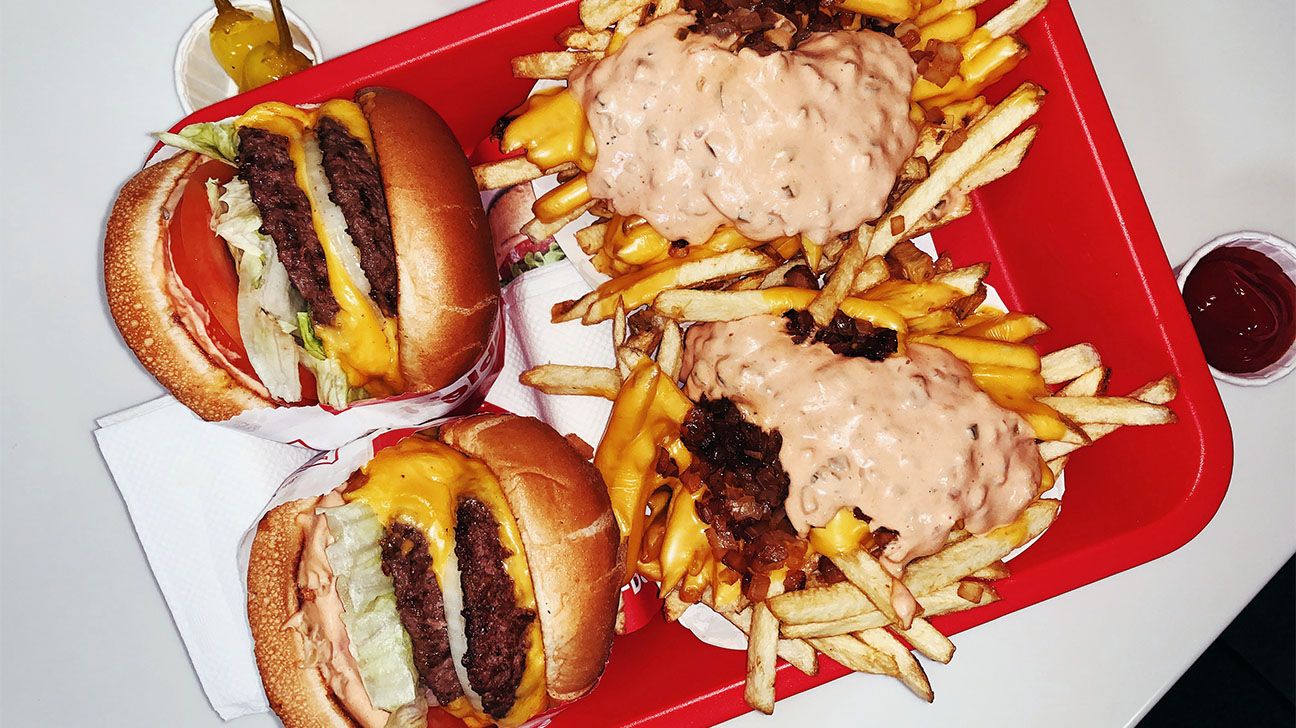
- One recent study concluded that ultraprocessed foods (UPFs) may be just as habit-forming as cigarettes.
- The researchers observed that UPFs are engineered to maximize reward and hasten the delivery of rewarding components.
- The habit-forming property of these foods implies they fuel compulsive consumption and disrupt natural hunger cues.
- Study contributors propose that ultraprocessed foods ought to be subject to regulations similar to those for tobacco products.
At present, there is no one standardized definition of UPFs. Many describe them as products that include ingredients you would not typically use in a home kitchen, such as stabilizers and artificial substances.
Numerous experts rely on the NOVA food categorization to classify ultraprocessed foods. This talks about products that are “combinations of ingredients, primarily of exclusive industrial use, usually created by a set of factory processes and processes.”
A recent review published in The Millbank Quarterly indicated that UPFs may be just as habit-forming as tobacco products.
“I concur with these findings, as ultra-processed foods are intentionally formulated to be highly appealing to many consumers,” stated a weight loss specialist not affiliated with the study.
A study from last year estimates that more than 73% of the foods available in the United States is classified as ultraprocessed.
“Tobacco and ultraprocessed foods are not just whole foods but carefully designed delivery systems created purposely to increase physical and mental reward and repeated intake,” explained the review’s research team.
Are UPFs Addictive?
The review combined insights from addiction, public health history, and dietary science in order to identify textural and compositional qualities that increase the reinforcing potential of both tobacco and UPFs.
“Not everyone is ‘addicted’’ to such products, but for a meaningful minority, they elicit typical addiction-like behaviors: strong cravings, loss of control, and persistent consumption despite negative health effects,” explained a preventive cardiology dietitian.
“These foods are deliberately engineered with refined carbs, added fats, salt, and flavor enhancers to optimize pleasure and repeat consumption, and the industry uses persuasive advertising strategies, especially aimed at young people,” she stated.
Scientists focused on five key areas:
- delivery speed
- pleasure-based design, or designing foods to be extremely pleasurable
- perfecting the amount
- widespread availability
- misleading changes, or “health washing”
They found that, like cigarettes, ultraprocessed foods are fine-tuned to deliver the optimal amount of sweetness.
“Processed carbs stimulate dopamine production through the a key neural pathway, whereas lipids achieve this via intestinal lipid sensing,” the researchers noted.
“… UPFs with high levels of refined carbohydrates and added fats are some of the most strongly reinforcing substances in the modern diet. Importantly this refined carbohydrate-fat combination is virtually absent in nature.”
How these foods rapidly introduce “feel-good” substances to the brain renders them potentially addictive, in a comparable way to cigarettes.
The paper noted that while cigarettes are engineered to provide the addictive compound quickly, ultraprocessed foods are formulated to rapidly digest and absorb, as they usually have little to no dietary fiber. This allows for the system to process lipids and carbohydrates more quickly.
Authors also point out that ultraprocessed foods provide deliberate flavor bursts that fade quickly and textures that dissolve easily. This all helps to deliver more dopamine and encourages individuals to eat more.
‘Wellness Branding’ in Tobacco, Ultraprocessed Foods
According to the review, both the cigarette and food industries have long used a strategy called “health washing.”
This is where goods are advertised and altered to create an illusion of less danger while maintaining the essential of their qualities.
Health washing in the cigarette sector gained traction in the 1950s with the introduction of filter tips on cigarettes.
They were marketed as protective innovations that would catch harmful substances before they reached the lungs. Actually, filters offer little meaningful protection.
However, people typically adapted by inhaling deeper or smoking more frequently, which negated any decrease in harmful intake.
The food industry has taken a comparable approach. It uses labels such as “reduced fat” or “sugar-free” to market UPFs.
However, these items still contain the same highly reinforcing formulations. The problem is that these changes present a superficial impression of wellness while the product’s habit-forming nature and health risks persist unchanged.
Ought Ultraprocessed Foods Face Controls?
The researchers noted at the conclusion of their review that food and tobacco are fundamentally different.
Nevertheless, they warned that some UPFs act like highly optimized consumables rather than actual food. They recommended that public health policy should reflect this distinction.
“Cigarettes offers a warning, and tobacco control offers a model of potential,” the researchers stated.
Due to policies, cigarette use levels in the US have fallen and have “reshaped public perception of tobacco and eroded trust in the sector.”
“It is my opinion increased awareness about the harmful effects of ultra-processed foods is crucial to reduce general consumption and enhance population wellness. The approaches used to reduce tobacco consumption have been successful and may be a useful blueprint for UPFs as well,” said one specialist.
“It is not my view UPFs should be controlled precisely as cigarettes, but they do warrant stronger, smoking policy-based measures: marketing restrictions, clear packaging warnings, tighter standards on health claims, and limits in schools or medical facilities,” noted another dietitian.
The authors pointed out to people that lightly altered and whole foods have supported our well-being for millennia.


